Why did Proposition 37 Fail?

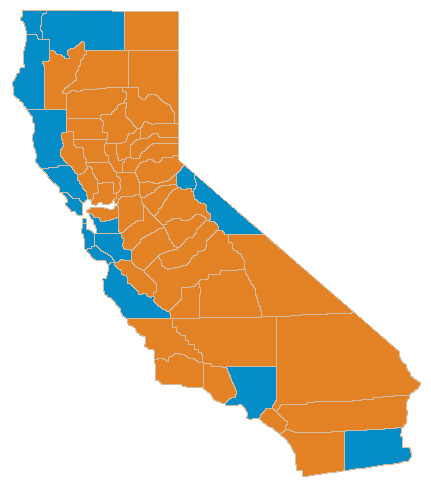
CAcounties-37

Originally published at Food Safety news. Additional links and images added for enhanced reader enrichment! On November 6, 2012, Californians voted on Proposition 37, which would have required that foods produced from genetically engineered crops be labeled as such. Support for Prop. 37 was high two months before the election, but it plummeted in the final month to a near tie. It was defeated 53 to 47 percent, and this reversal of public opinion about the proposition has led to many speculations about why it failed. Michele R. Simon, a lawyer and paid writer and spokesperson for the Yes on

Six More Reasons To Vote No On GM Labeling Initiative

corn combine

(reposted from Science 2.0, 8/23/12) Previously, I wrote about why GMO labeling is basically illogical.  If you take the time to read the actual proposition, there are at least six more reasons that proposition 37 on the California ballot this fall is a really bad idea that voters should reject. 1.    This is asking for something that is a great deal harder than it sounds. Almost all GMO crops are commodity grains.  To understand what labeling these crop ingredients means means, think of a river.  When it rains, little rivulets of water begin to run off of the ground, and then combine into small

Supreme Court decides on Alfalfa case

In what (for me) seemed like no time at all, the Supreme Court of the United States (SCOTUS) has issued its ruling on the Roundup Ready Alfalfa case. In a landslide 7:1 ruling (with one recusing), the high court has lifted the nationwide ban on planting genetically engineered herbicide-tolerant alfalfa. What does this mean for GE alfalfa and sugar beet plantings that have been affected by the courts? Although the social media chatter over the case was mostly characterizing it as crucial to win to “stop” GE alfalfa, it was really more about what the proper course of action

Supreme Court hearing on GMO Alfalfa

There is certainly a lot of commotion about the first ever US Supreme Court hearing involving genetically engineered crops, which is being held today. The case is Monsanto Company v. Geertson Seed Farms, (SCOTUS Wiki) and depending on how this turns out, it could mean the end of genetically engineered alfalfa forever or the eventual destruction of all organic dairies, right? Well, no. So what is the court case about? The court case is not actually about GE alfalfa, although this legal battle began with alfalfa. In 2006, several groups joined together led by the Center for Food Safety

Proposed US law to mandate GMOs?

Do you have professional experience with writing or interpreting legislation? Please speak up in the comments! The Global Food Security Act of 2009, S.384 has a few clauses that have anti-biotech activists all worked up. What do the changes really mean? Is the US government really part of a Monsanto-led conspiracy to force the impoverished into a cycle of dependency on patented seed and pesticides? The Pesticide Action Network of North America sums up their view of the situation in their newsletter: After its introduction in the Senate a year ago, Bill Gates and Bill Clinton have been quietly pressing